Chardonnay is probably the white grape variety producing the most white wine. When it’s grown in different regions, climate, or winemaking method, it can produce totally different wine styles. Therefore, no matter you are an experienced wine lovers or beginner, you’ll be able to find one which suits your taste!
Climate x Chardonnay Style
The style of Chardonnay varies largely based on the climate where the grape grown in. The Chardonnays from cooler-climate regions, are typically of higher acidity and minerality with medium-to-light body. They tend to have fresh fruit flavours, which mostly citrus, and also with green apple, lemon, floral and mineral notes. Chablis is one of the most signature regions, located in the North of France. Its Chardonnay has noticeable minerality and refreshing flavours.
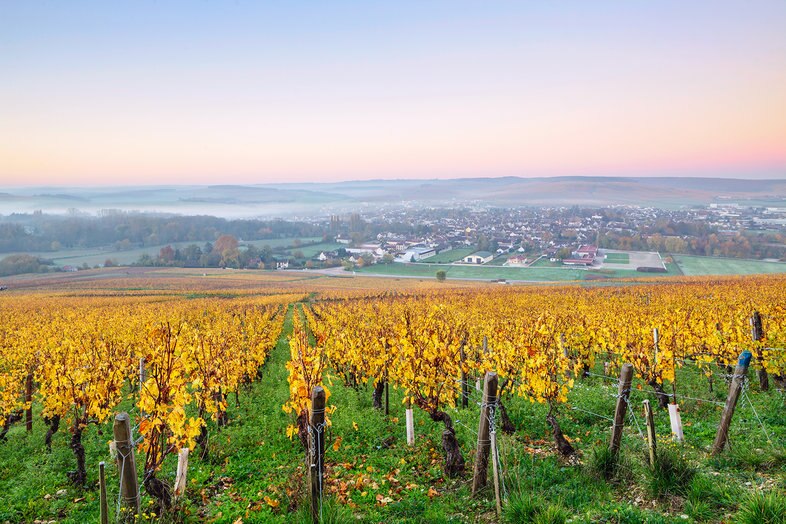
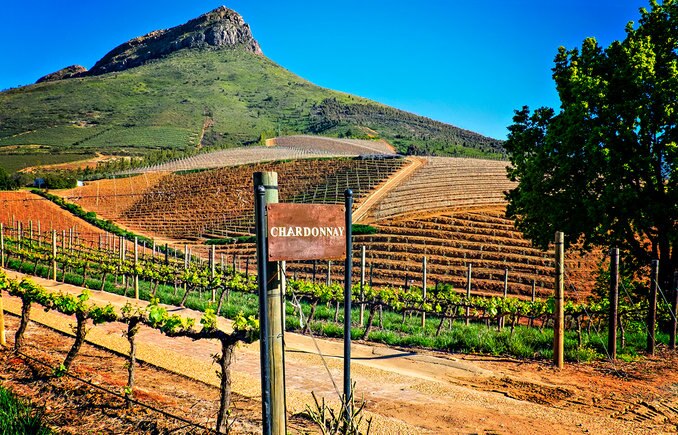
In warmer regions, Chardonnays are usually with fuller body, ripe fruit flavour. Also, more tropical fruit flavours such as mango, pineapple can be found. Chardonnay from Napa Valley, USA is one of the examples.
Winemakers x Wine Style

Winemaking also has a significant contribution to the final result, that’s why different winemakers can transform Chardonnay’s styles. For example, they can decide to harvest early or late, to shape the acidity and body of the wine; or whether to age in new oak barrels, the use of oak tends to give thicker mouthfeel, creaminess and nuttiness while having the wine unoaked can highlight the floral, mineral sides of the wine.
Chardonnay Food Pairing
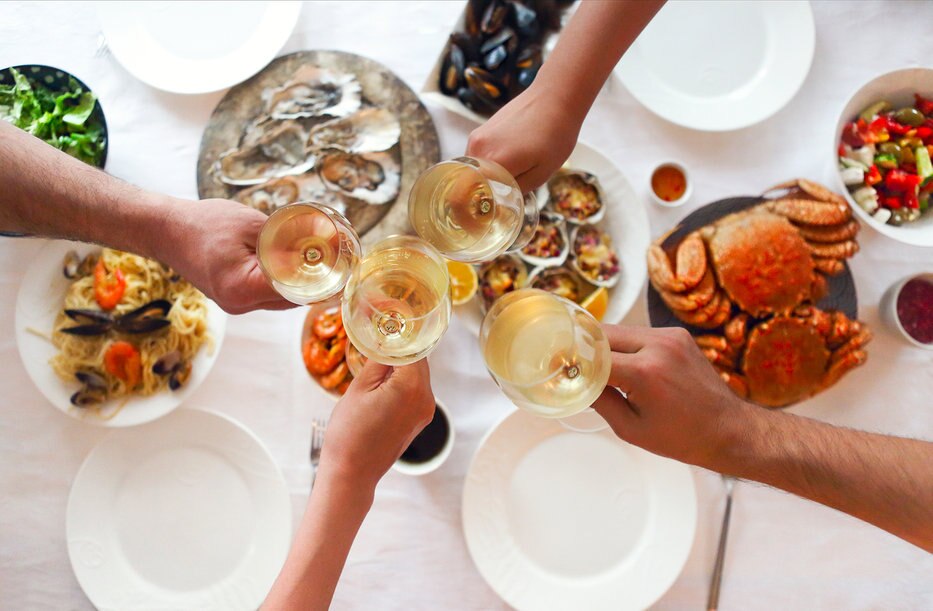
The diversity of Chardonnay styles gives rise to the unlimited possibilities in food pairing: For cool climate or young and unoaked Chardonnay, it usually carries some minerality and a refreshing, crisp acidity such as Chablis of Burgundy, which is better to pair with oysters or seafood platters; For warmer climate or oaked Chardonnay, which is mature and richer. It can pair with more savoury dishes with creamy sauce, such as pan-seared sea bass, or Carbonara.